
Meet Our Team
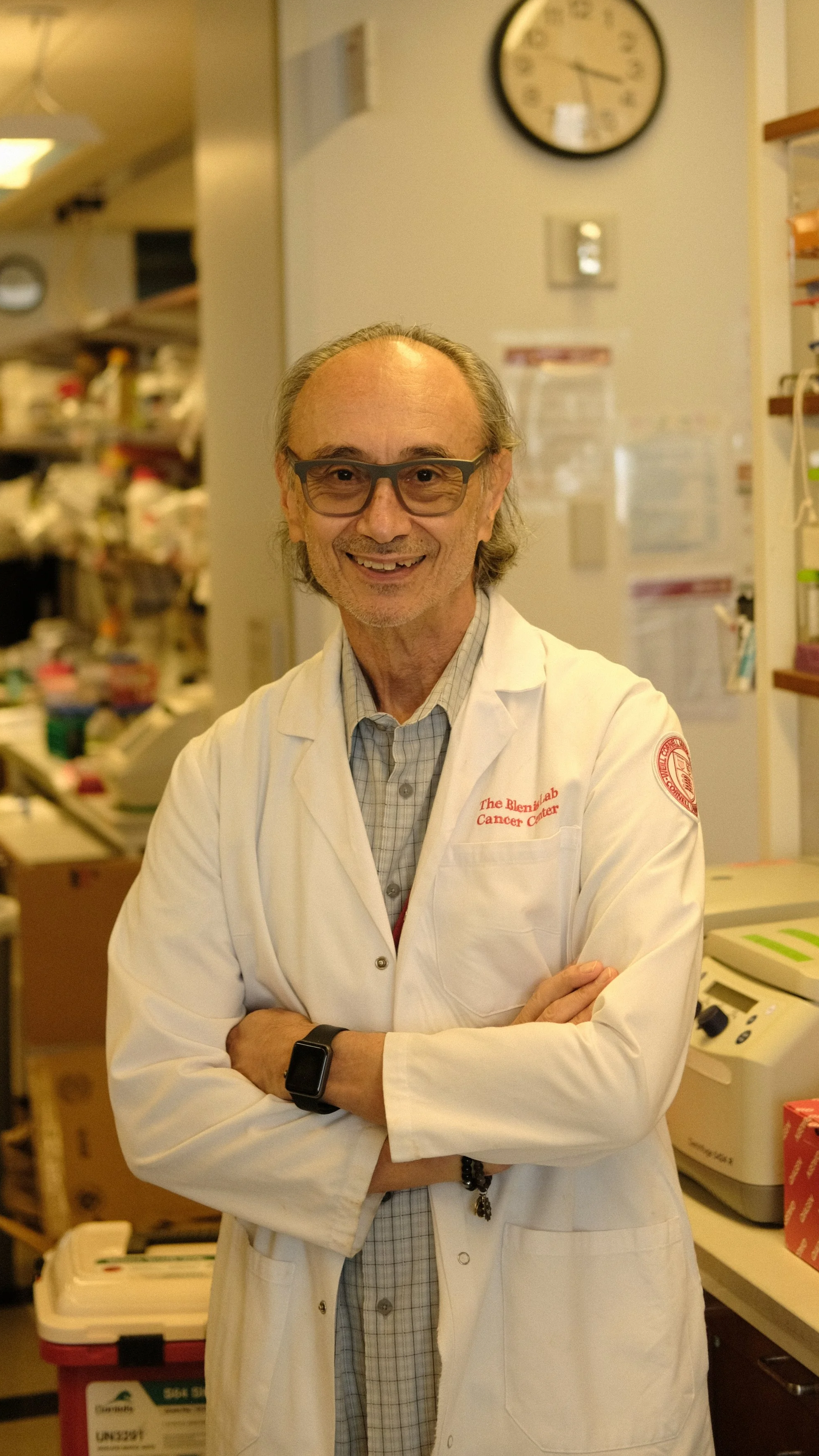
Principal Investigator
John Blenis, Ph.D.
Email: job2024@med.cornell.edu
Anna-Maria and Stephen Kellen Professor in Cancer Research
Associate Director of Basic Science, The Sandra and Edward Meyer Cancer Center
Professor of Pharmacology
Instructors & Post-Doctoral Associates
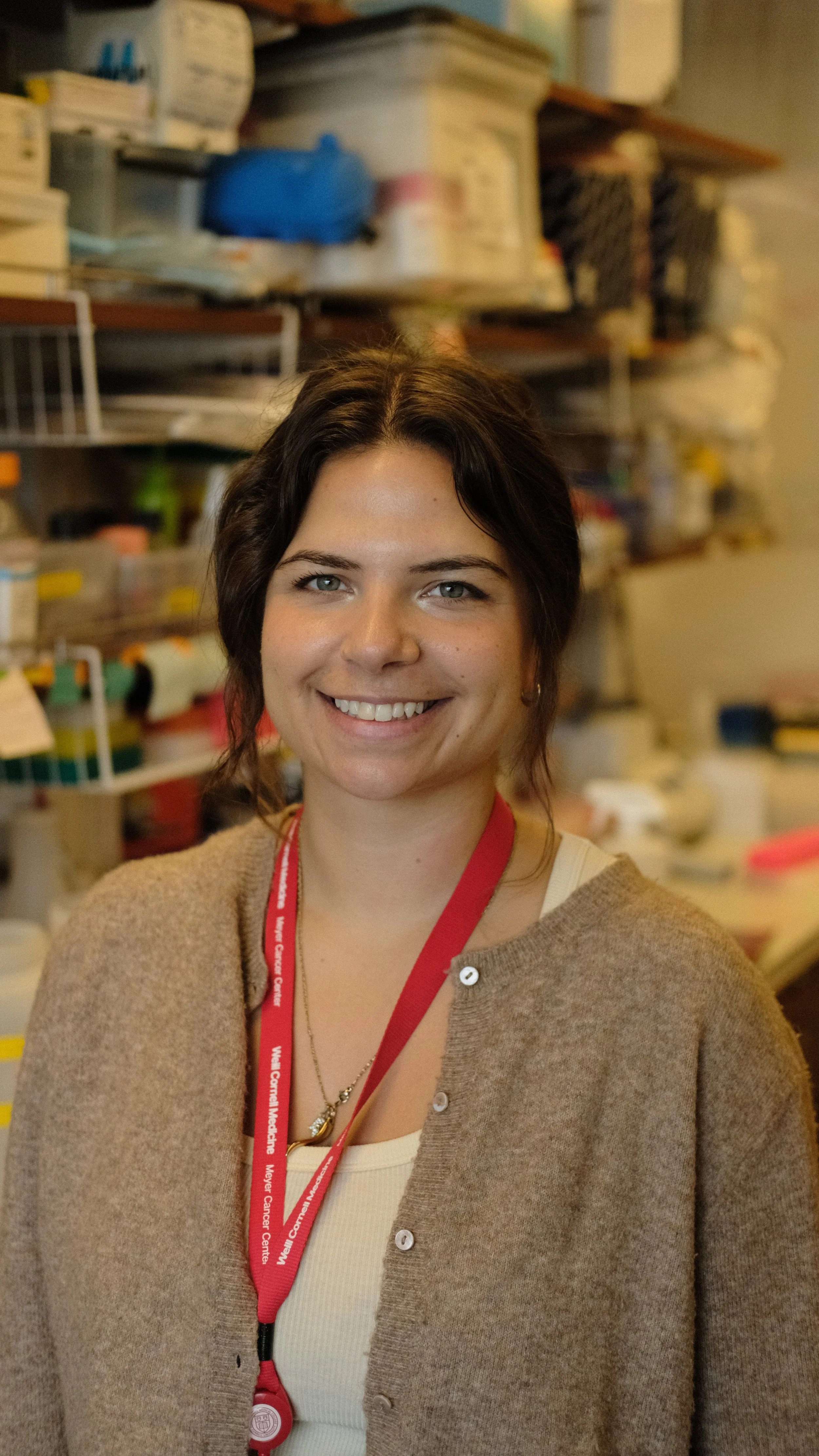
Post-Doctoral Associate
Charlotte Bellamy, Ph.D.
Email: chb4042@med.cornell.edu
PhD ‘24 - Ecole Doctorale Cancerologie, Paris-Saclay University (France)
MSc ‘19 - International Master in Cell and Stem Cell Biology, Sorbonne Université (France)
BSc ‘17 - Genetics, Queen Mary University of London (United Kingdom)
Dr Bellamy is interested in cell signaling and how its regulatory machinery becomes dysregulated in cancer. In the Blenis Laboratory, she studies mechanism of resistance to mTOR inhibition in breast cancer, aiming to define the molecular programs that sustain residual disease and identify therapeutically actionable vulnerabilities. She completed her PhD at the Paris Brain Institute, where she showed that a catalytically inactive PKCα mutant drives chordoid glioma by rewiring downstream signaling.
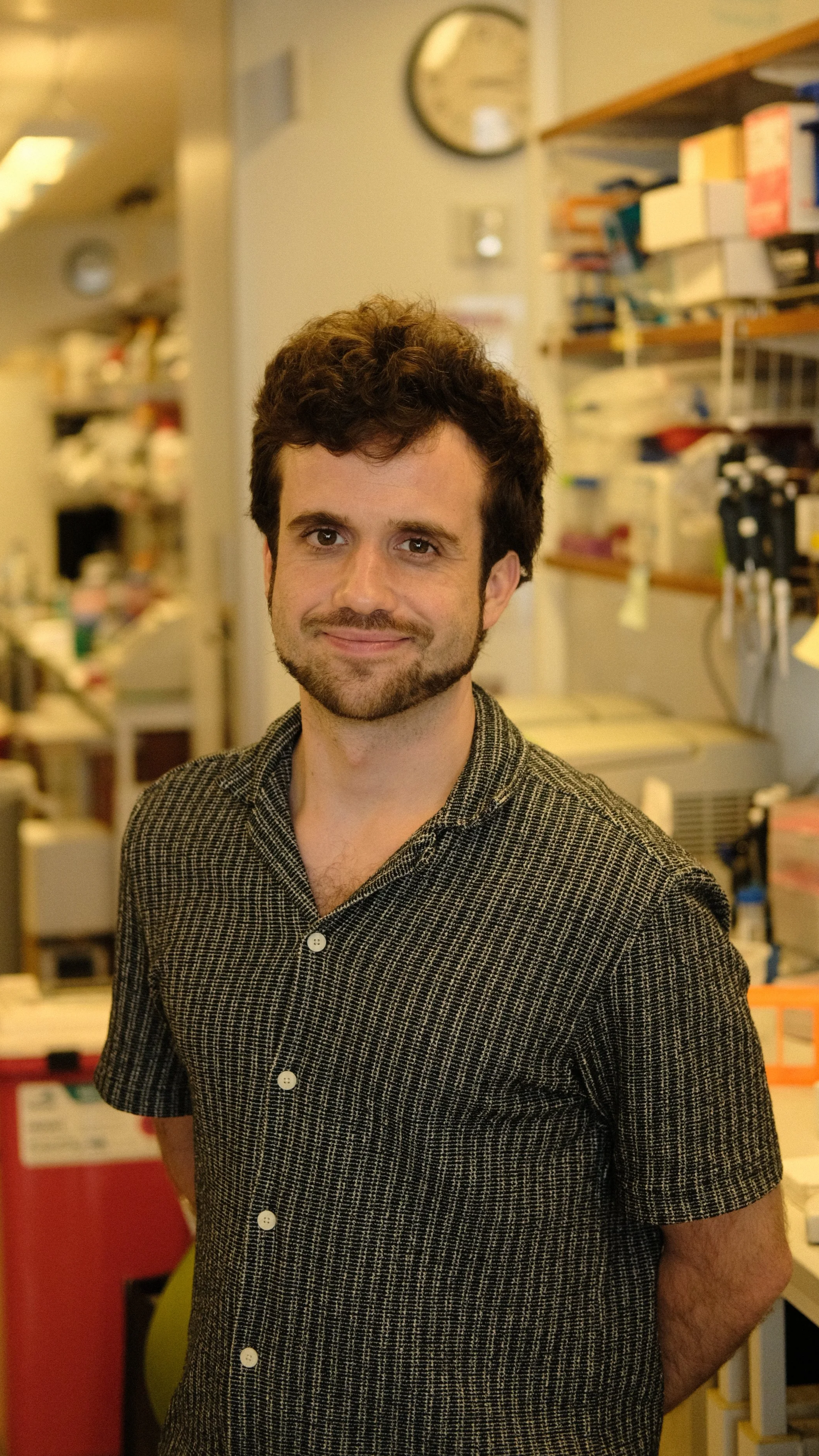
Post-Doctoral Associate
Jacob Cecil, Ph.D.
Email: jhc4005@med.cornell.edu
PhD ‘23 - Cell/Molecular Biology, University of Arizona
BS ‘16 - Cell/Molecular Biology, University of Tennessee
Dr. Cecil's research focuses on the fundamental processes regulating cell growth through mitogenic signaling, specifically via the mTORC1 pathway. In particular, his project seeks to explore new roles for kinase signaling in the process of ribosome biogenesis.
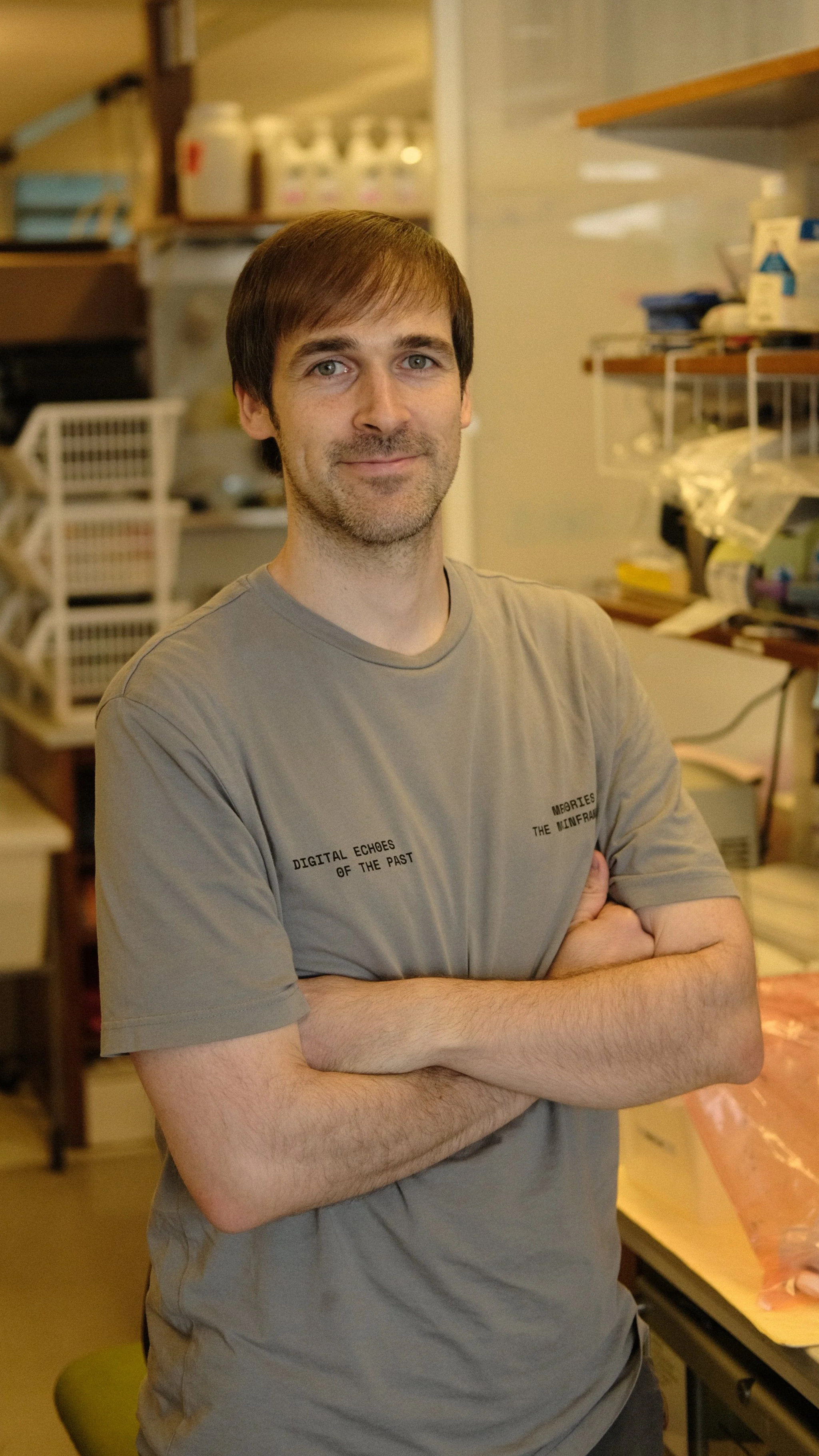
Instructor
Guillermo Burgos Barragan, Ph.D.
Email: gbb4001@med.cornell.edu
PhD ‘17 - Biological Sciences, Cambridge University (United Kingdom)
BS ‘12 - Biology, University of Seville (Spain)
Dr. Burgos-Barragan's research focuses on understanding and exploiting the link between metabolism and genomic stability in cancer, with the goal of developing new strategies for cancer treatment and prevention. His work combines genetics, biochemistry, metabolomics, and genomics with in vitro and mouse models of cancer, and pursues the translation of promising findings into human studies through close collaboration with clinicians.
Post-Doctoral Associate
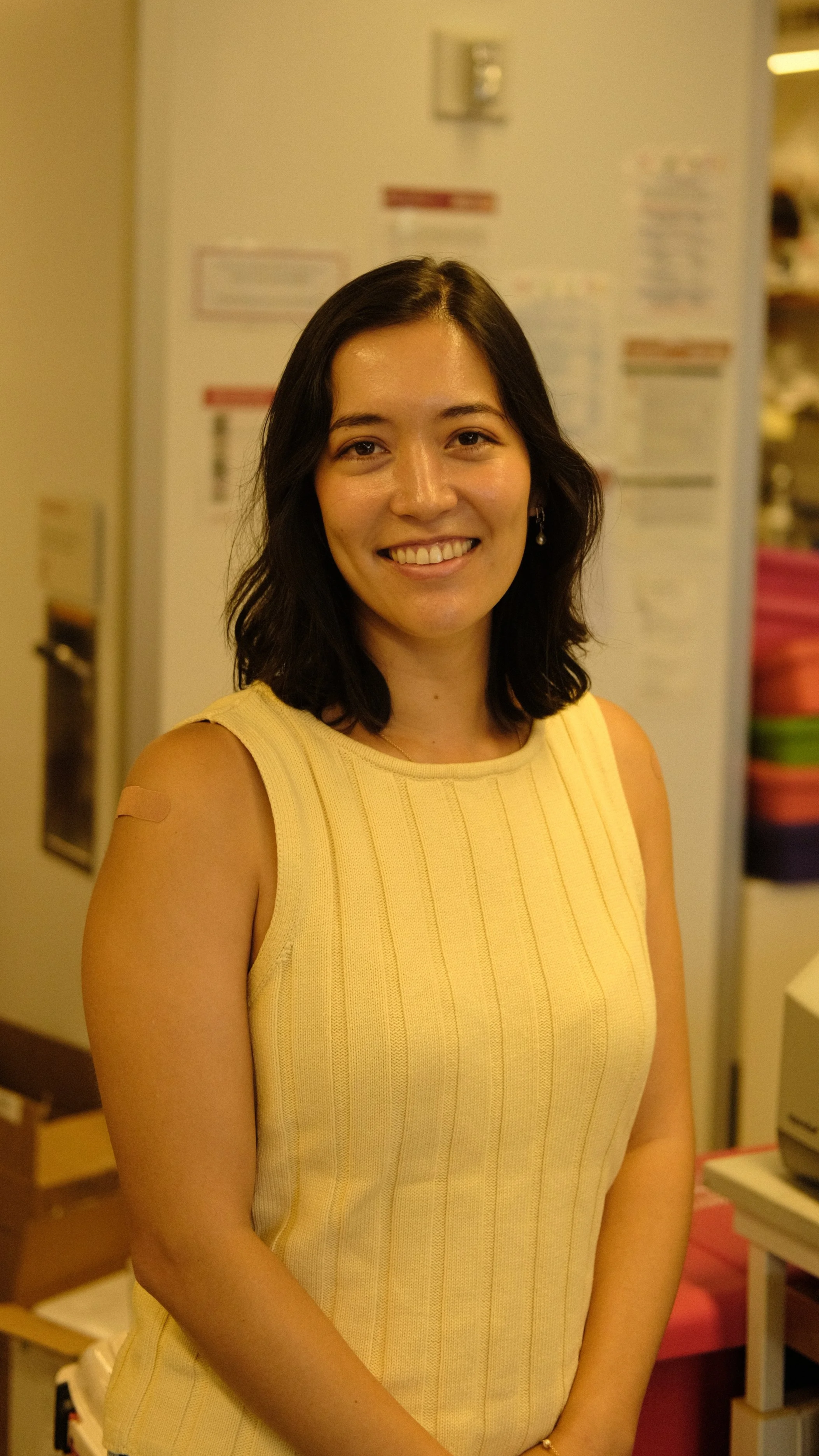
Margot Chirikjian, Ph.D.
Email: mkc7003@med.cornell.edu
PhD ‘26 - Nutritional and Metabolic Biology, Columbia University
BS ‘20 - Global and Public Health Sciences, Cornell University
Dr. Chirikjian obtained her PhD in metabolic biology from Columbia University in the lab of Dr. Utpal Pajvani. Her doctoral work focused on PTM regulation of pancreatic beta cell nutrient sensing and insulin secretion in the context of type II diabetes and obesity. She is interested in exploring how obesity and adipose tissue fuels cancer metastasis.
Post-Doctoral Associate
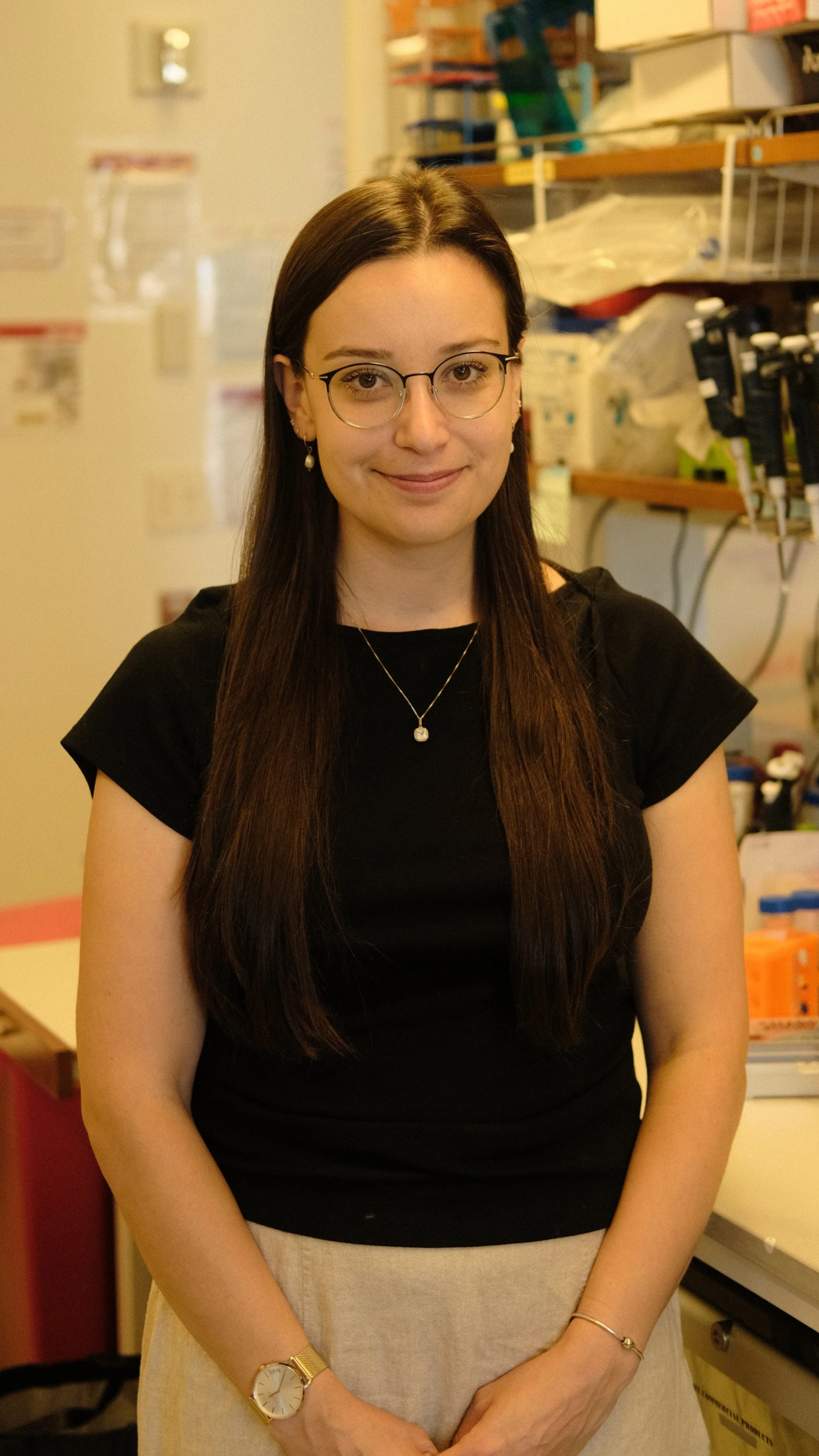
Jennifer Endress, Ph.D.
Email: jee4001@med.cornell.edu
PhD ‘25 - Cell/Molecular Biology, Weill Cornell Graduate School of Medical Sciences
BS ‘15 - Biochemistry, Northeastern University
I study glycogen synthase kinase-3 (GSK3), an enzyme which is named for its regulation of glycogen synthesis but has been later discovered to broadly regulate many signaling pathways within the cell via inhibitory phosphorylation events. Expanding on previous work from the Blenis lab which demonstrated that cellular location of GSK3 regulates mTOR-dependent cell growth and sensitivity to the mTOR inhibitor rapamycin, I study the role of GSK3 in the regulation of survival mechanisms upon nutrient starvation in cancer cells. I believe that mechanistic understanding of signaling and metabolism in cancer can lead to improved knowledge of the underlying biology in both health and disease, and hopefully improve treatment options for patients.
Post-Doctoral Associate
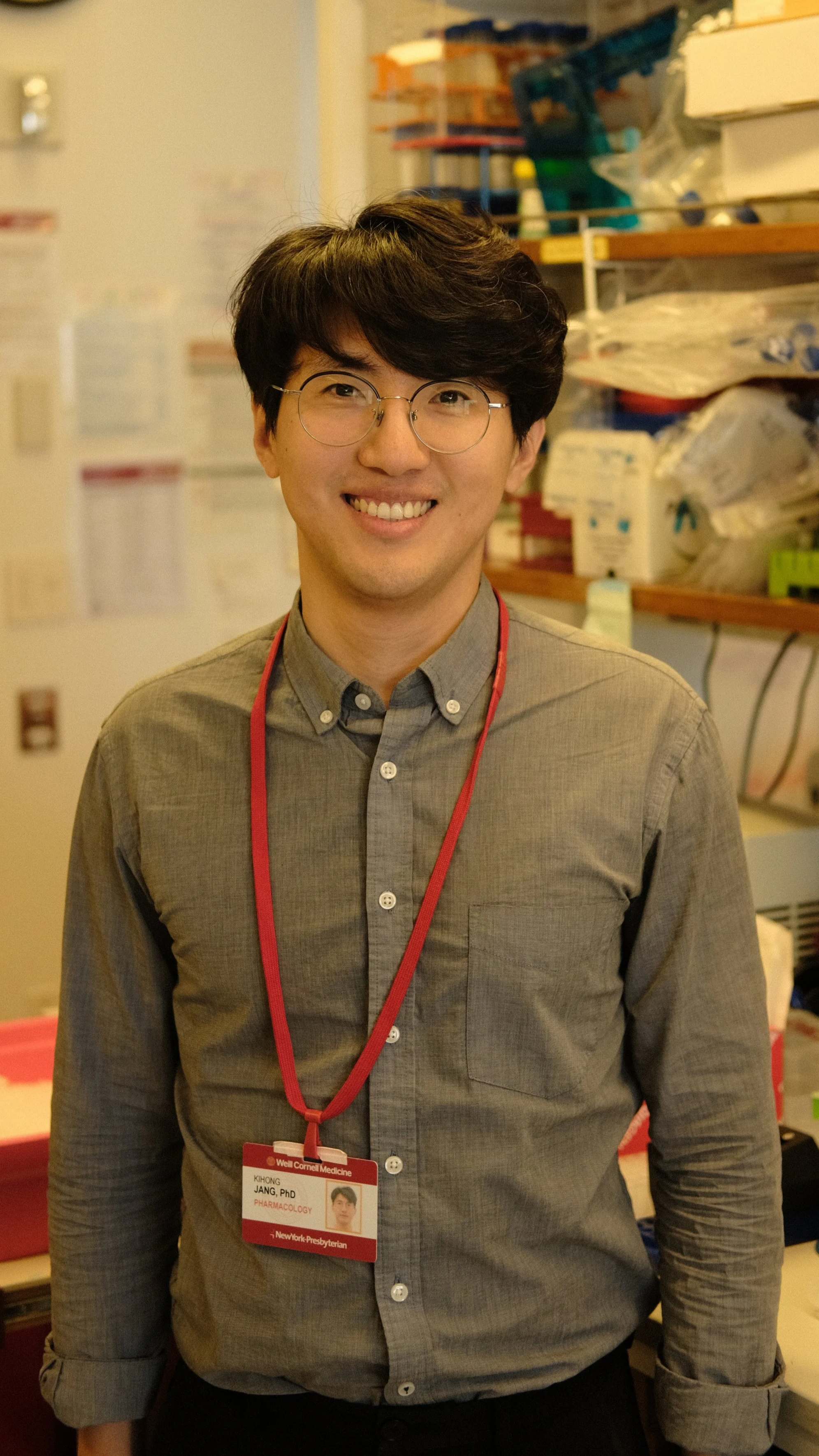
Ki-Hong Jang, Ph.D.
Email: kij4004@med.cornell.edu
PhD ‘19 - Molecular Cell Biology, Chungnam National University (South Korea)
BS ‘13 - Biology, Chungnam National University (South Korea)
Dr. Ki-Hong Jang's research is focusing on cancer signaling and epitranscriptomic regulation, especially RNA N6-methyladenosine (m6A) modification, by kinase and post-translational modification (PTM) of RNA binding proteins during tumorigenesis. Through biochemical experiment and bioinformatics analysis, He investigate how cancer is initiated and progressed to develop therapeutic interventions.
Instructor
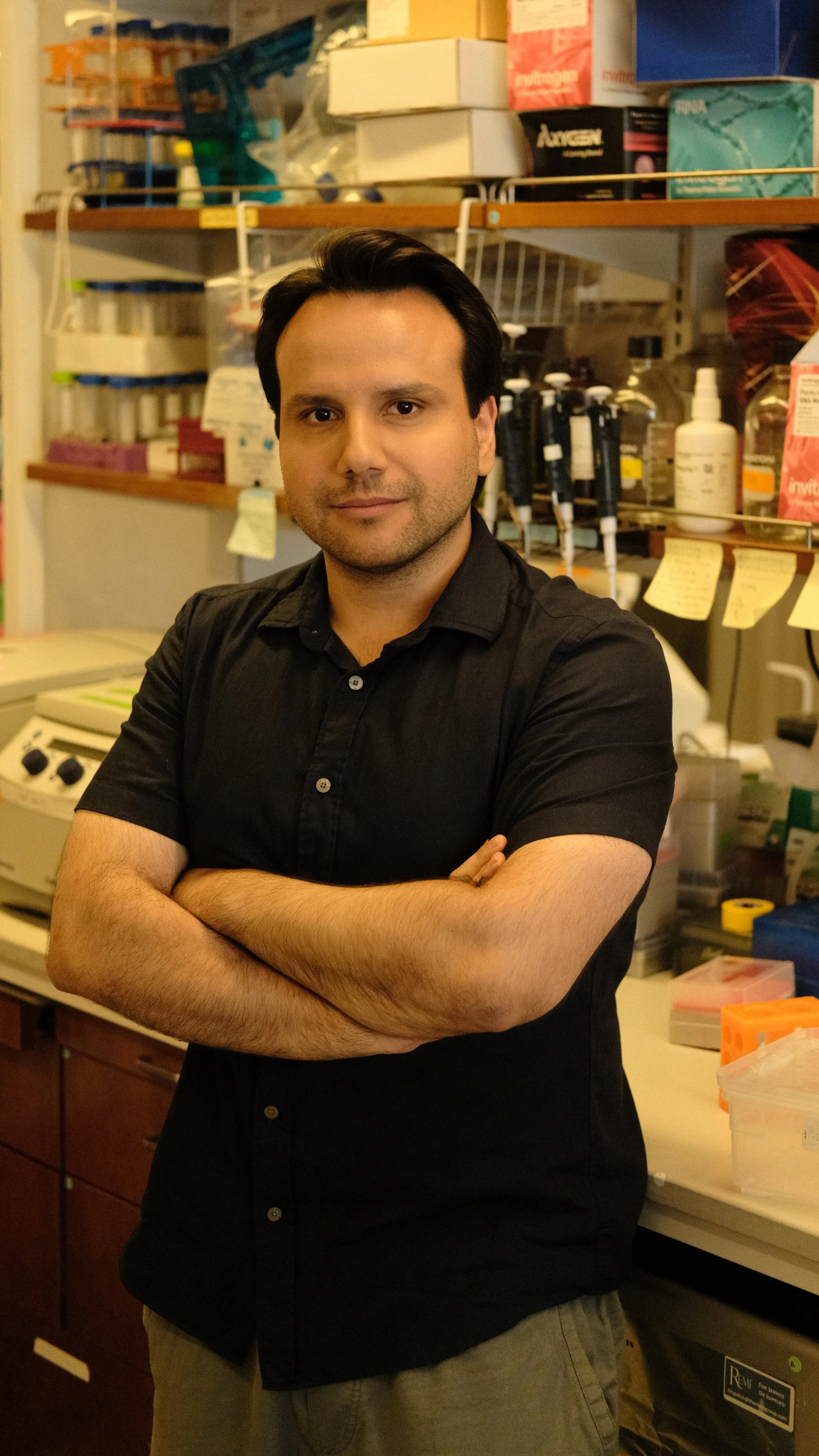
Nikos Koundouros, Ph.D.
Email: nik4009@med.cornell.edu
PhD ‘19 - University of London (United Kingdom)
BSc ‘14 - Cancer Biology and Immunology, Bristol University (United Kingdom)
Awards: STAT Wunderkind 2026; Tri-Institutional Breakout Prize for Junior Investigators 2025; Charles H. Revson Fellowship 2023-2025
As a Charles H. Revson Fellow in the Blenis Lab, Dr. Koundouros work focuses on delineating the mechanisms through which breast cancer cells sense and utilize dietary essential fatty acids to fuel their growth and proliferation. The ultimate goal of this work is to develop personalized therapeutic strategies that combine nutritional and pharmacological interventions to exploit these genetic and metabolic interactions.
Instructor
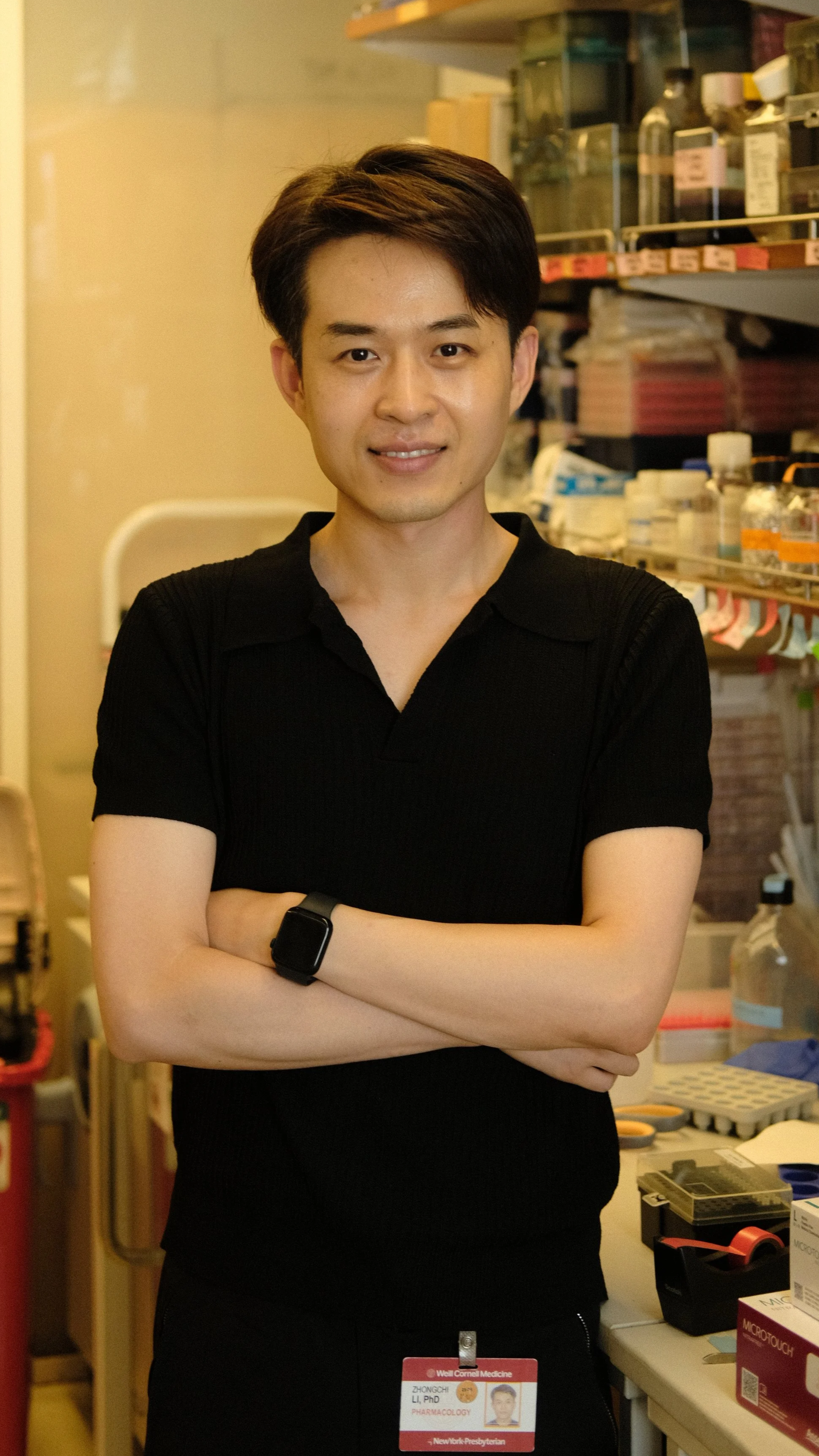
Zhongchi (Justin) Li, Ph.D.
Email: zhl4003@med.cornell.edu
PhD ‘19 - Tsinghua University (China)
BS ‘14 - Beijing University (China)
Awards: Glenn Foundation Postdoctoral Fellow; NIA K99/R00 Career Development Awardee
With extensive training in aging biology and physiology, Dr. Li investigates how age-related metabolic dysfunction promotes cancer progression. Particularly, his research focuses on how propionate metabolism reprograms tumor cells and the tumor microenvironment to drive therapeutic resistance and metastasis. He also studies the broader roles of this metabolic pathway in aging, immune regulation, and metabolic disease.
Assistant Professor
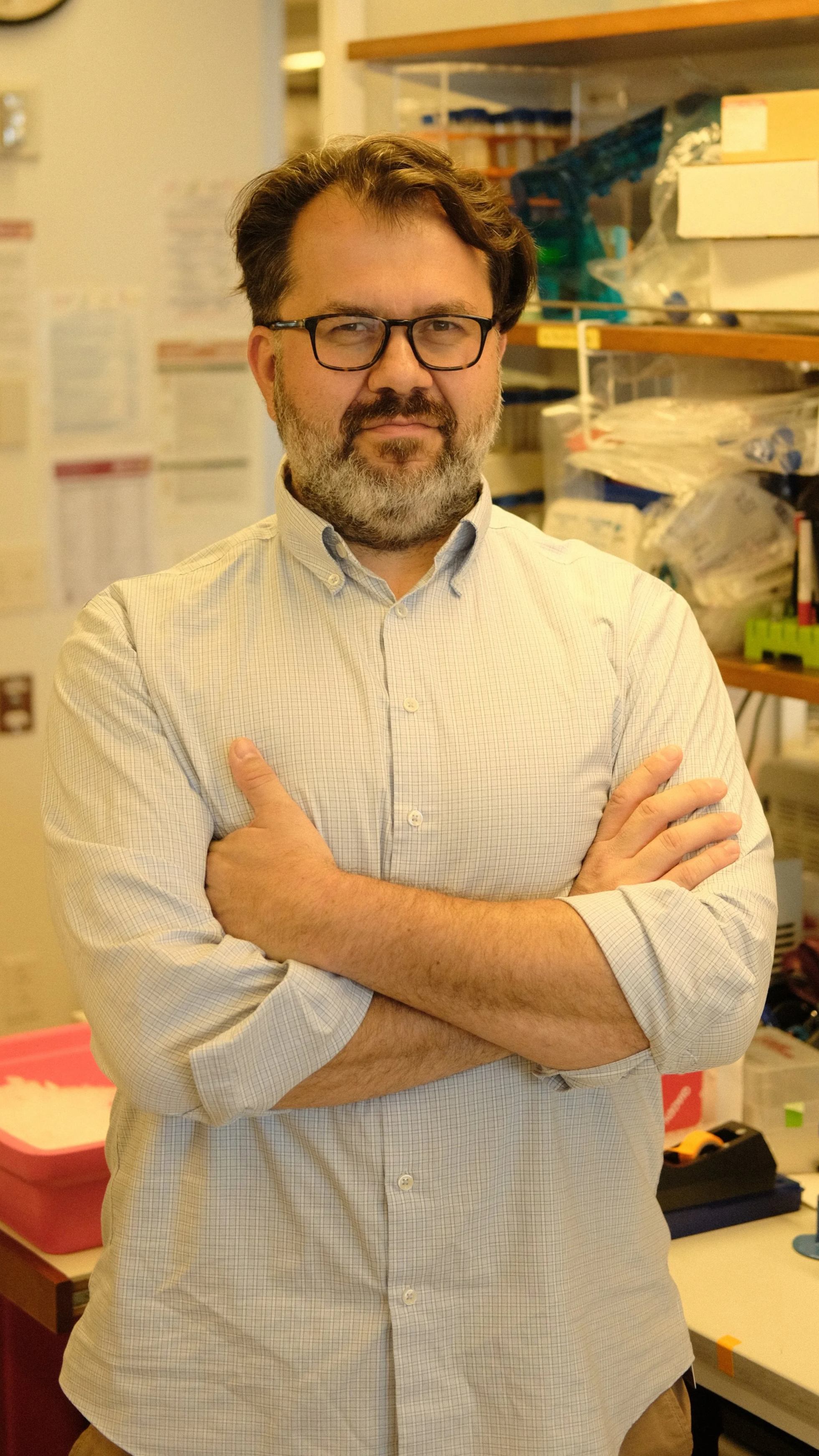
Michal Nagiec, Ph.D.
Email: min2015@med.cornell.edu
PhD ‘11 - University of North Carolina
BS ‘02 - University of Kentucky
Dr. Nagiec is a cell biologist with training in pharmacology that is interested in the fundamental questions of how cells process information and produce appropriate responses. He is particularly interested in how metastatic cancer cells balance proliferation with the ability to migrate and how these cells adapt to stresses associated with tumor spread. The goal of his research is to identify and exploit vulnerabilities in processes unique to metastatic cells for therapeutic benefit.
Post-Doctoral Associate
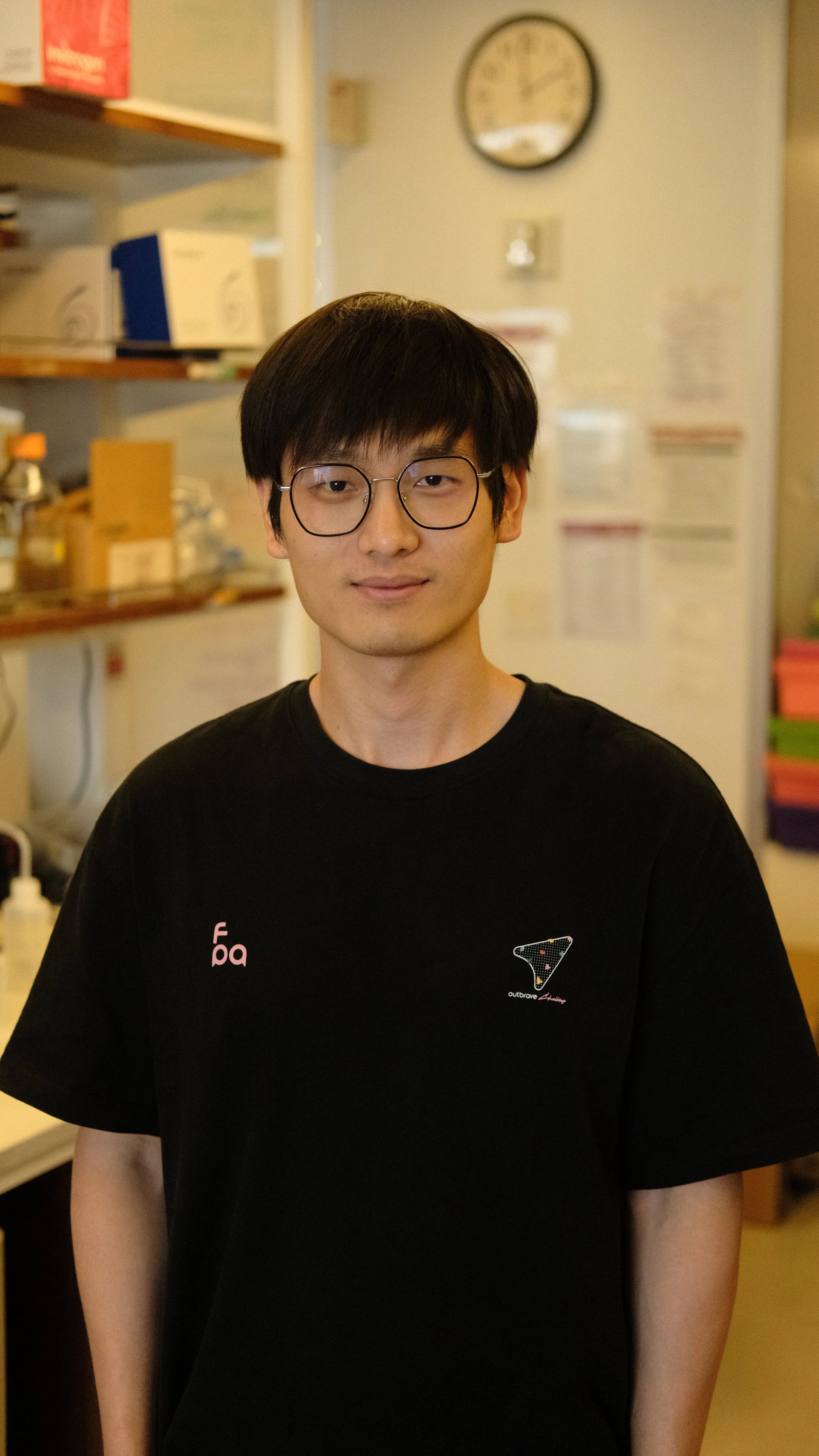
Zengpeng Zheng, Ph.D.
Email: zez4006@med.cornell.edu
PhD ‘25 - Pathology and Pathophysiology, Chinese Academy of Sciences, Shanghai (China)
BS ‘19 - Southern Medical University (China)
Dr. Zheng's research focuses on understanding how metabolic alterations contribute to cancer progression, particularly in breast cancer. His current work investigates the role of branched-chain amino acid metabolism and methylmalonic acid (MMA) in regulating mitochondrial function, oxidative stress, and epithelial-mesenchymal transition (EMT).
Graduate Students
Ph.D. Student
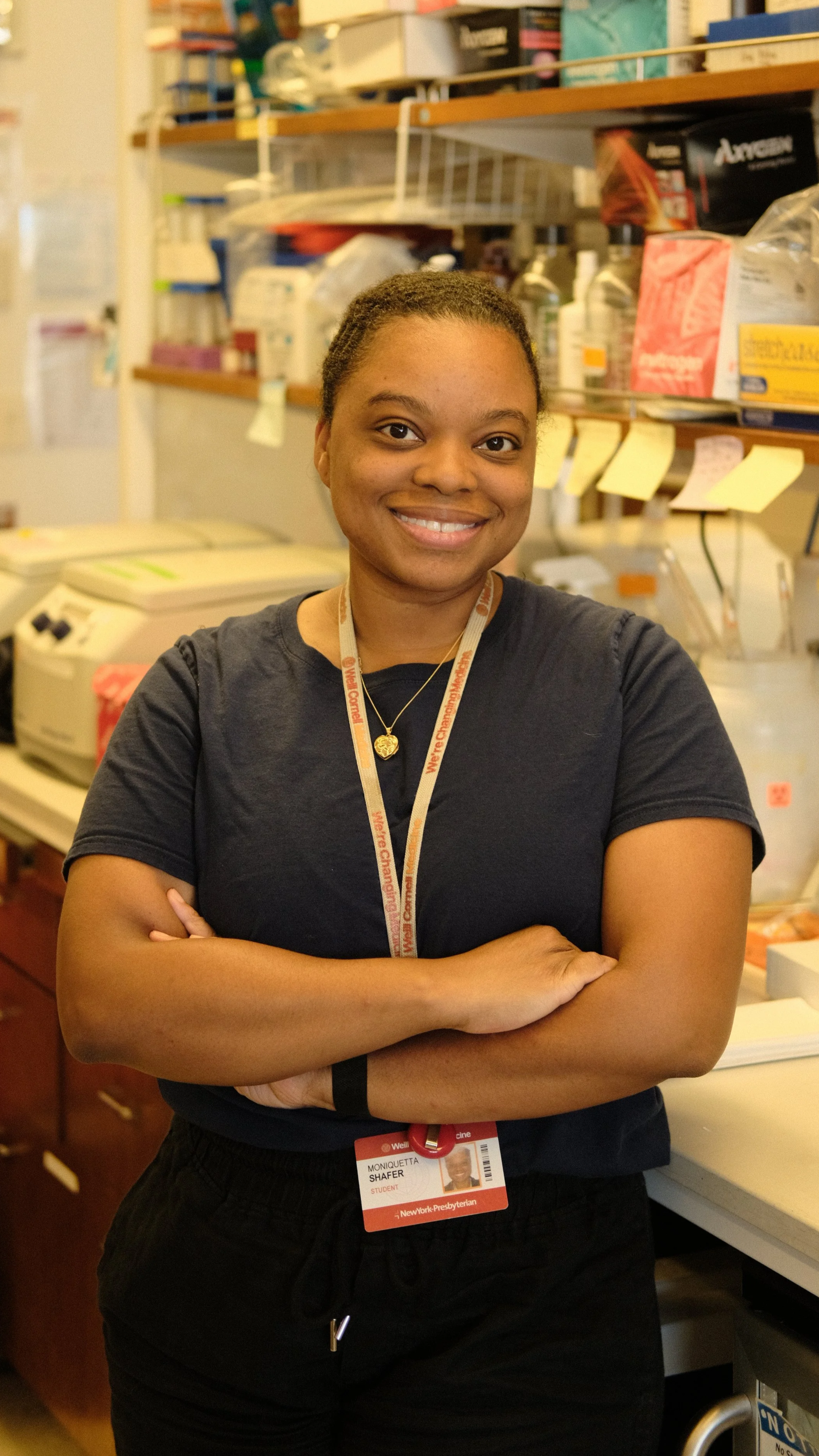
Moniquetta Shafer, M. Ed., PMP
Email: mos4011@med.cornell.edu
MEd ‘11 - Drexel University
BS ‘09 - Biology, Drexel University
Moniquetta works to understand how cancer cells alter metabolic pathways to enable metastatic progression. Specifically, she is working on understanding how abnormal accumulation of propionate metabolism intermediates may support cancer cell ability to activate cell migration and chemoresistance.
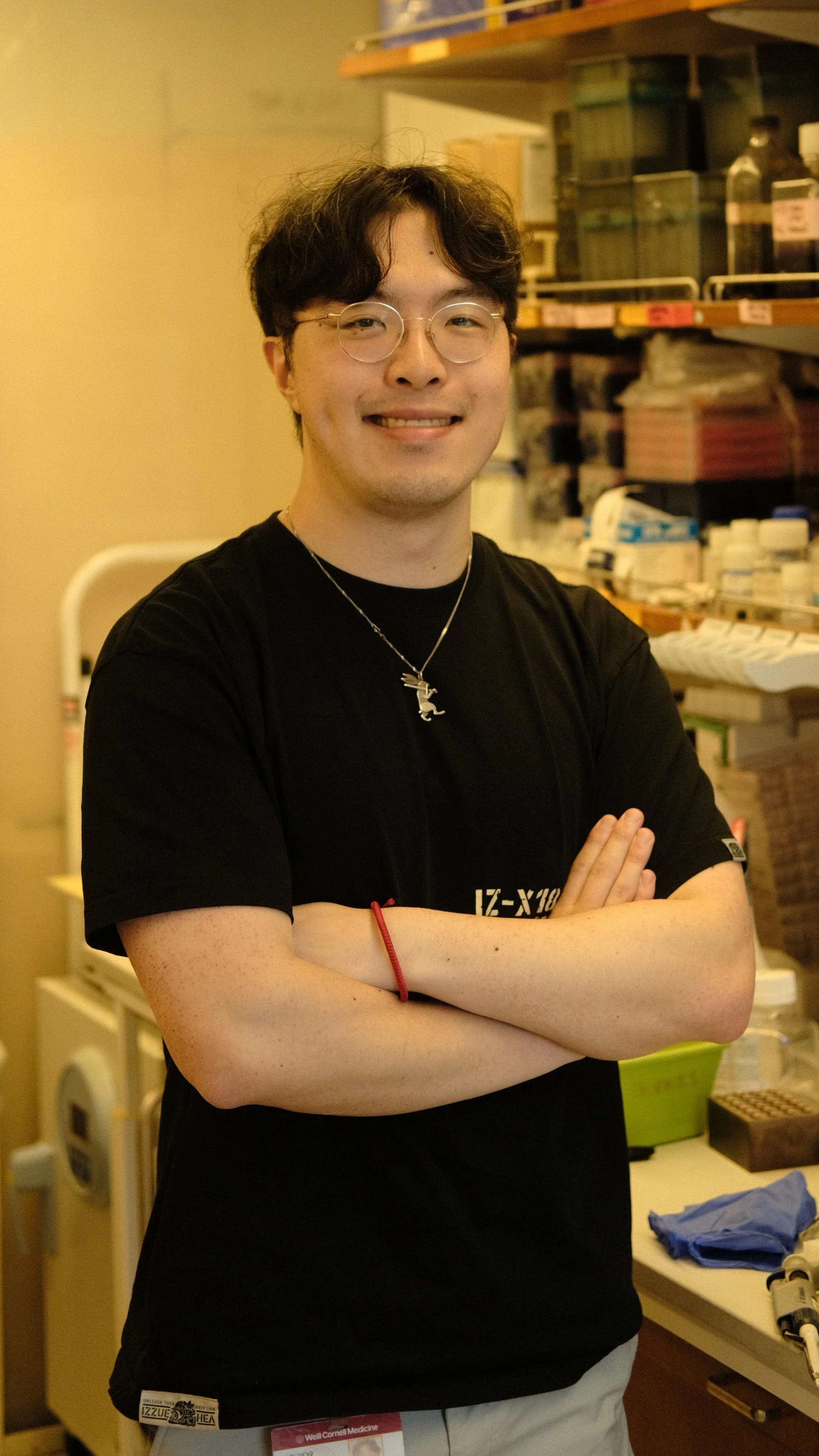
Ph.D. Student
Trevor Wong
Email: tkw4001@med.cornell.edu
BHSc ‘24 - Biology and Pharmacology, McMaster University
Trevor's work focuses on characterizing the role of cortisol production and the p-GR/MR signaling axis in driving TNBC EMT and progression. He received his Honours Bachelor of Health Sciences in Biology and Pharmacology from McMaster University. Trevor's research background spans immunology, inflammation, and cardiovascular biology, with previous training at the University of Hong Kong with Professor Billy Chow and at the University of British Columbia with Professor Brian Rodrigues. His undergraduate thesis focused on developing novel therapeutic approaches for atopic dermatitis. Trevor is broadly interested in cell signaling pathways that drive disease pathogenesis and in translating mechanistic discoveries into new therapeutic strategies.

Ph.D. Student (Rotational)
Guanchen Zhu
Email: guz4007@med.cornell.edu
MS ‘26 - Chemistry, University of Chicago
BA ‘26 - Biological Science, University of Chicago
BS ‘26 - Chemistry, University of Chicago
BS ‘26 - Chemical Biology, University of Chicago
Guanchen obtained his BS and MS degree in Chemistry from UChicago under the guidance of Prof. Scott Snyder. His work focused on the total synthesis of bioactive natural products including Biopolarolide A-B and Dhilirolide A. Although extensively trained in a organic chemistry lab, he also obtained his BA degree in Biology with focus on Cancer biology and Endocrinology. His current project seeks to explore how triple-negative breast cancer cells (TNBCs) regulate the branch-chain-amino-acid (BCAA) catabolic pathway under stress.
Research Technicians & Staff
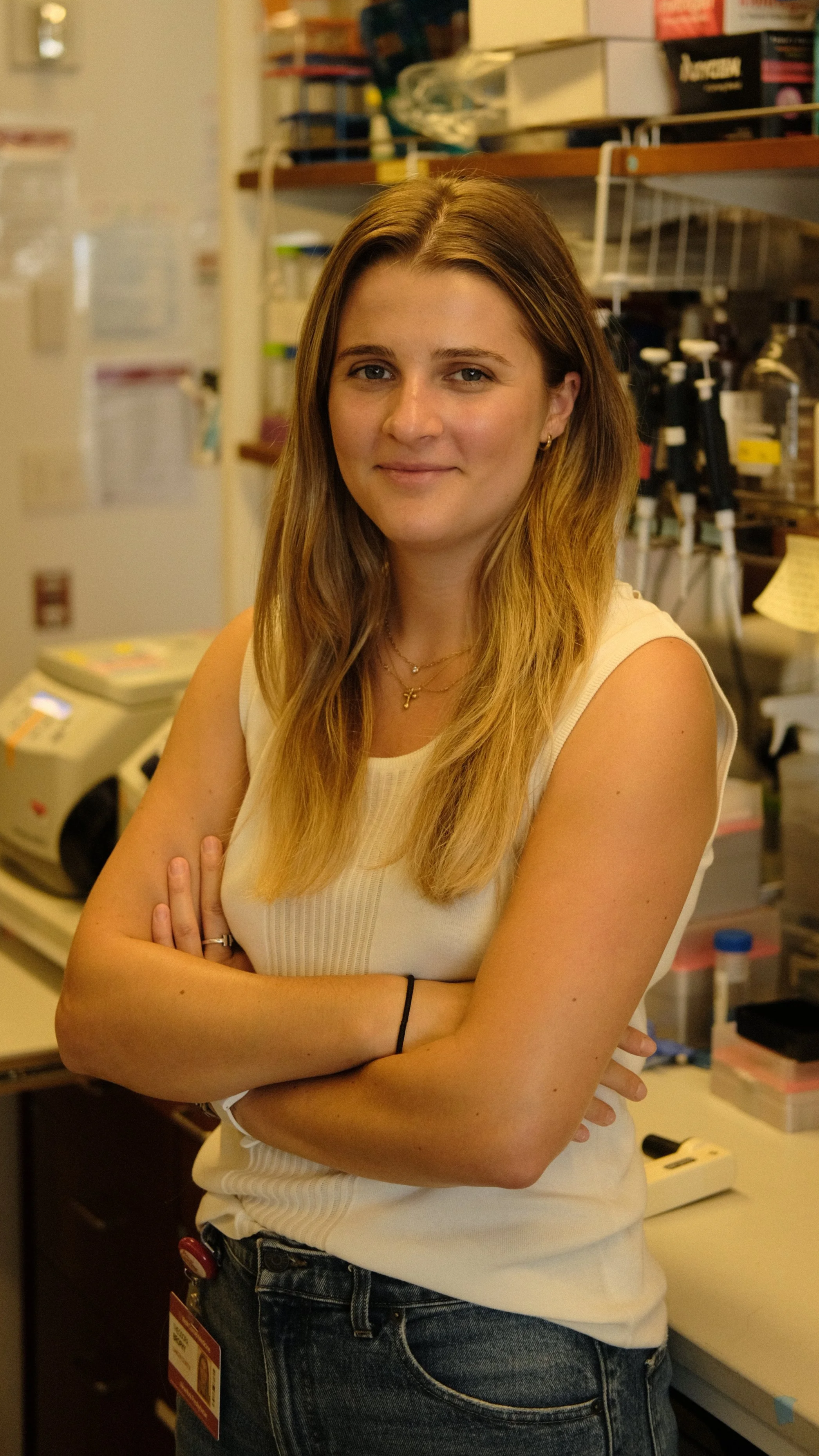
Senior Research Technician
Theodora Brophy
Email: thb4008@med.cornell.edu
MSc ‘24 - Molecular Biology and Pathology of Viruses, Imperial College London (United Kingdom)
BSc ‘22 - Microbiology & Immunology, University of Miami
Theodora obtained her MSc from Imperial College London in Molecular Biology & Pathology of Viruses, where she used single molecule imaging techniques to study UL9, HSV-1’s origin binding protein, to investigate viral replication dynamics. Prior to her MSc, Theodora conducted clinical and translational infectious disease research, including studies of HIV and the vaginal microbiome. Her research interests focus on understanding the molecular mechanisms underlying human disease and how these mechanisms can reveal opportunities for therapeutic intervention. Outside the lab, she enjoys staying active and her longstanding interest in classical Latin and ancient history.

Senior Research Technician/Lab Manager
Nayah Bullen
Email: nab4014@med.cornell.edu
BA ‘22 - Neuroscience, Skidmore College
Nayah is a Research Technician II at Weill Cornell Medical College, where she researches cancer metabolism and cellular signaling. She earned her B.A. in Neuroscience from Skidmore College in 2022, focusing on the link between ataxin protein and neurodegeneration in a SCA1 cell model. Her research focuses on mTOR signaling's role in cancer progression, utilizing mouse models of glioblastoma, triple-negative breast cancer, and prostate cancer while investigating dietary and therapeutic vulnerabilities. At Weill Cornell, Nayah has contributed to various research projects and publications. She is currently pursuing an M.S. in Biotechnology at NYU's Tandon School of Engineering.
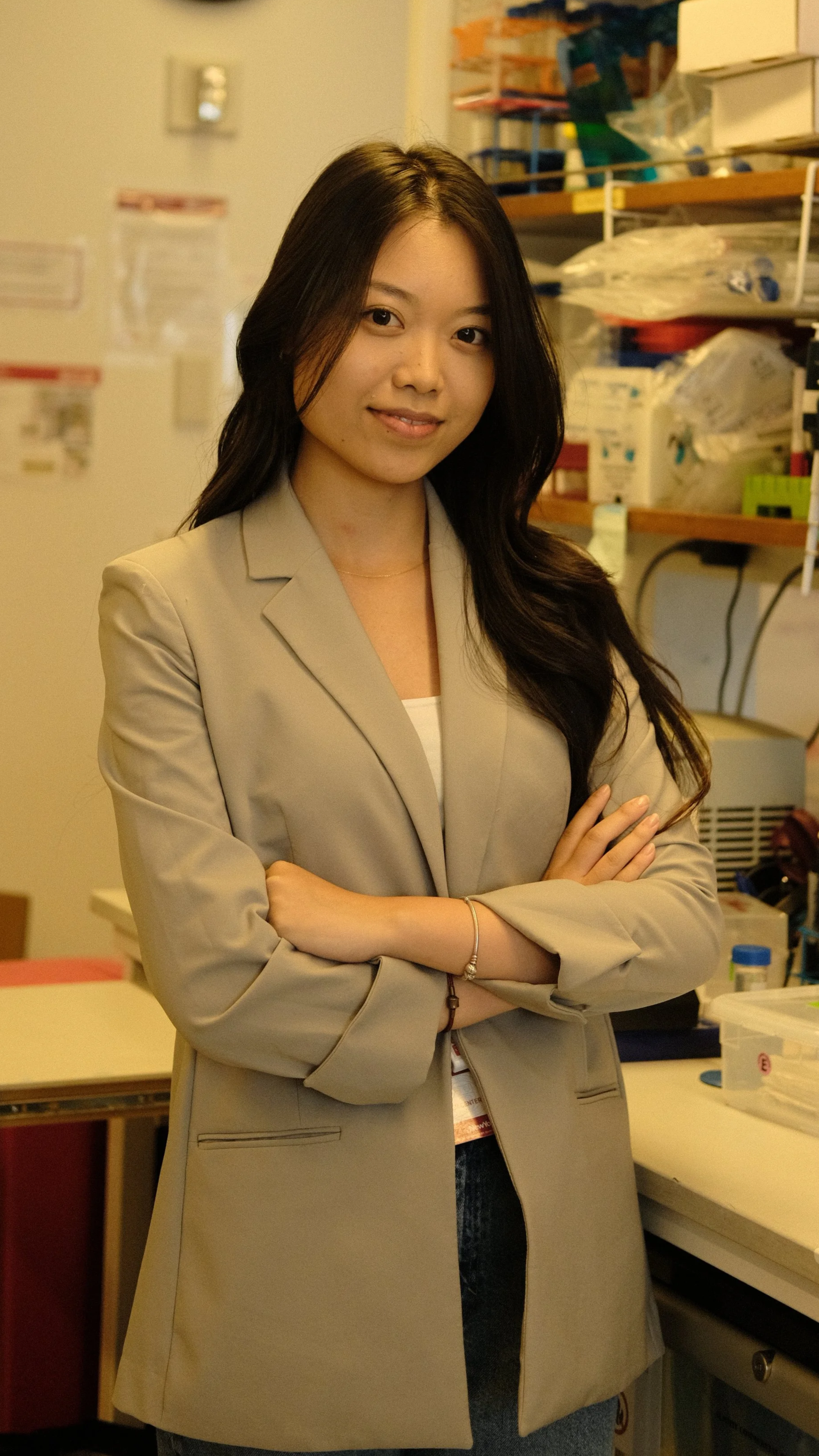
Research Technician
Lai Wa Chu
Email: lac4032@med.cornell.edu
BS ‘24 - Civil and Environmental Engineering, Massachusetts Institute of Technology
BS ‘24 - Urban Planning, Massachusetts Institute of Technology
Lai Wa’s research focuses on cellular signaling pathways and their roles in cancer cell proliferation and epithelial-to-mesenchymal transition (EMT). She graduated from the Massachusetts Institute of Technology with a degree in Civil and Environmental Engineering and Urban Planning. Through her research experience, she hopes to deepen her understanding of cancer biology and translate scientific discoveries into improved patient care. She aspires to become a physician who bridges biomedical research and clinical practice.
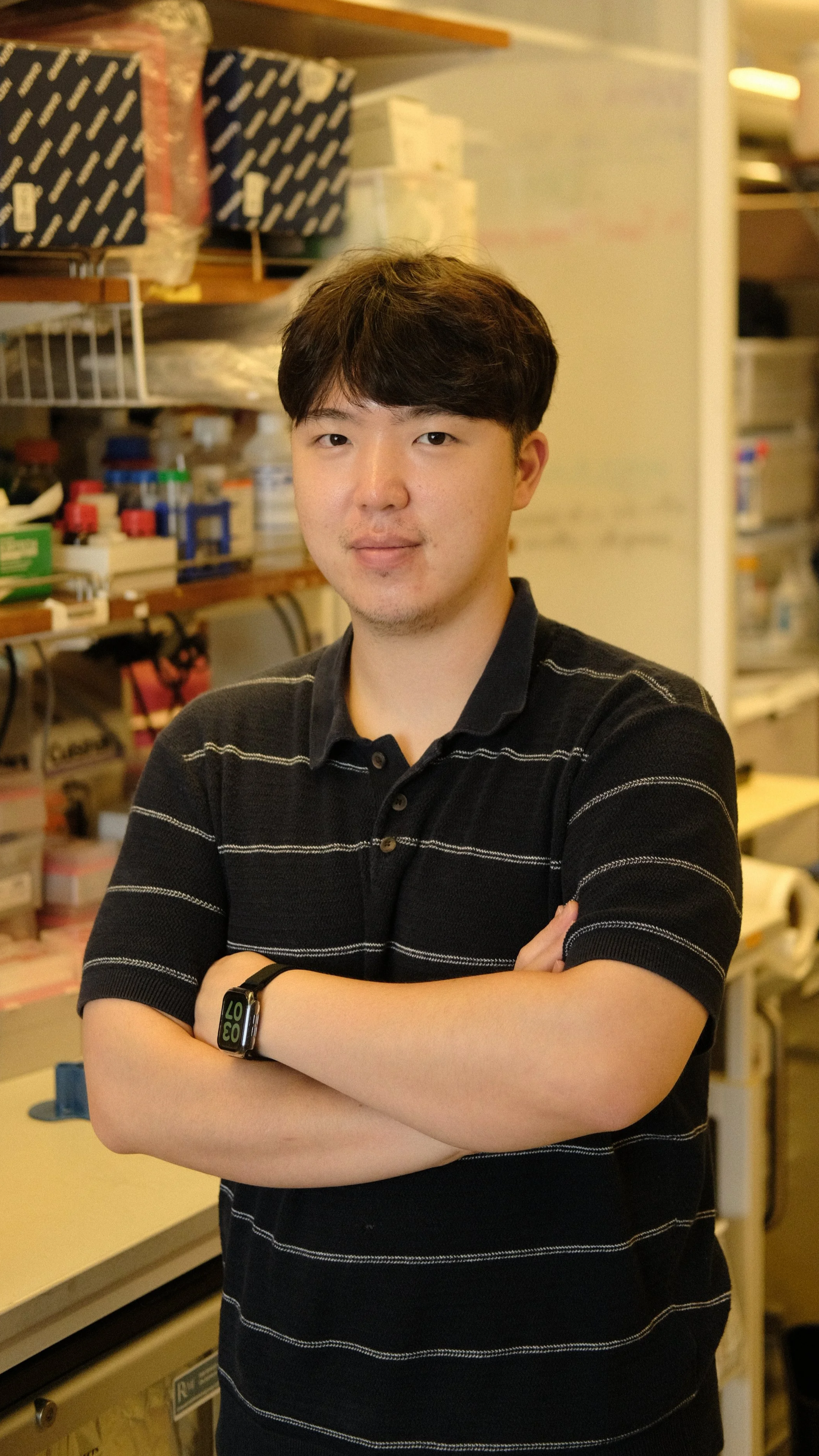
Bioinformatics Analyst
JungHwan Lee
Email: jul4020@med.cornell.edu
BA ‘23 - Biology, CUNY Baruch College
JungHwan's work combines experimental biology and computational approaches to study cancer metabolism and therapeutic responses. He has contributed to research investigating the effects of THF and vitamin C combination treatment on cancer cells, as well as studies involving mutational signature analysis and metabolomic profiling. His research interests focus on integrating bioinformatics and metabolomics to better understand the relationships between metabolic alterations, mutational processes, and therapeutic responses in cancer.
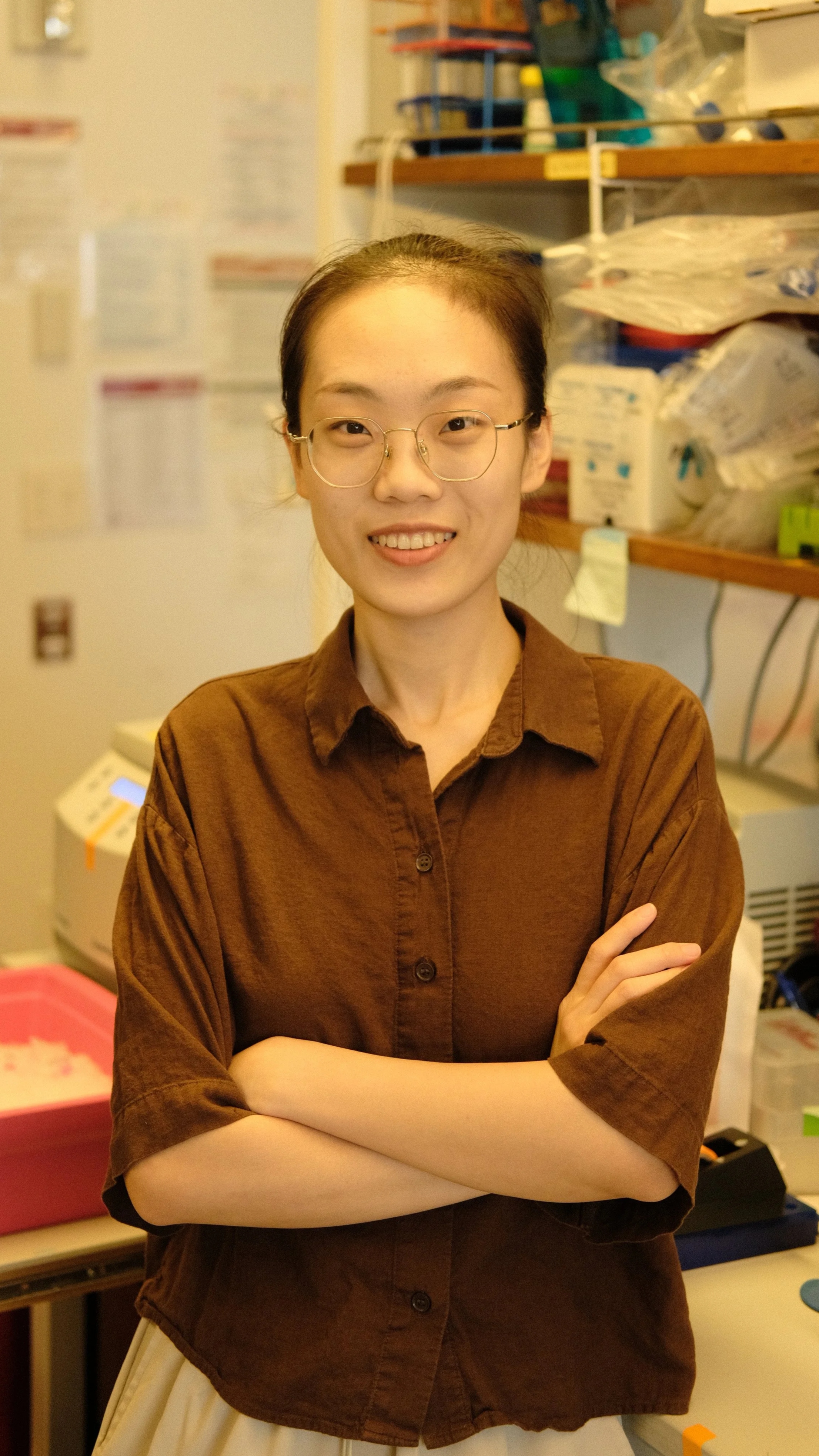
Research Technician
Zixin Zong
Email: ziz4018@med.cornell.edu
MS ‘24 - Molecular Pharmacology and Toxicology, University of Southern California
BS ‘24 - Pharmaceutical Science, North China University of Science and Technology (China)
Zixin is a Research Technician in the Blenis Lab at Weill Cornell Medicine. She earned her M.S. in Molecular Pharmacology and Toxicology from the University of Southern California and her B.S. in Pharmaceutical Science from North China University of Science and Technology. During her master's studies, she focused on the interplay between lipid metabolism and immune responses in the context of liver cancer. Her current research interests include cancer metabolism, tumor-microenvironment interactions, and therapeutic resistance. Beyond her research, Zixin enjoys dancing, traveling, and exploring new cuisines.