Principal Investigator
John Blenis, Ph.D.
Anna-Maria and Stephen Kellen Professor in Cancer Research
Associate Director of Basic Science, The Sandra and Edward Meyer Cancer Center
Professor of Pharmacology
Instructors &
Post-Doctoral Associates
Jennifer Endress, Ph.D.
Post-Doctoral Associate
Post-Doctoral Associate
As a Charles H. Revson Fellow in the Blenis Lab, Dr. Koundouros work focuses on delineating the mechanisms through which breast cancer cells sense and utilize dietary essential fatty acids to fuel their growth and proliferation. The ultimate goal of this work is to develop personalized therapeutic strategies that combine nutritional and pharmacological interventions to exploit these genetic and metabolic interactions.
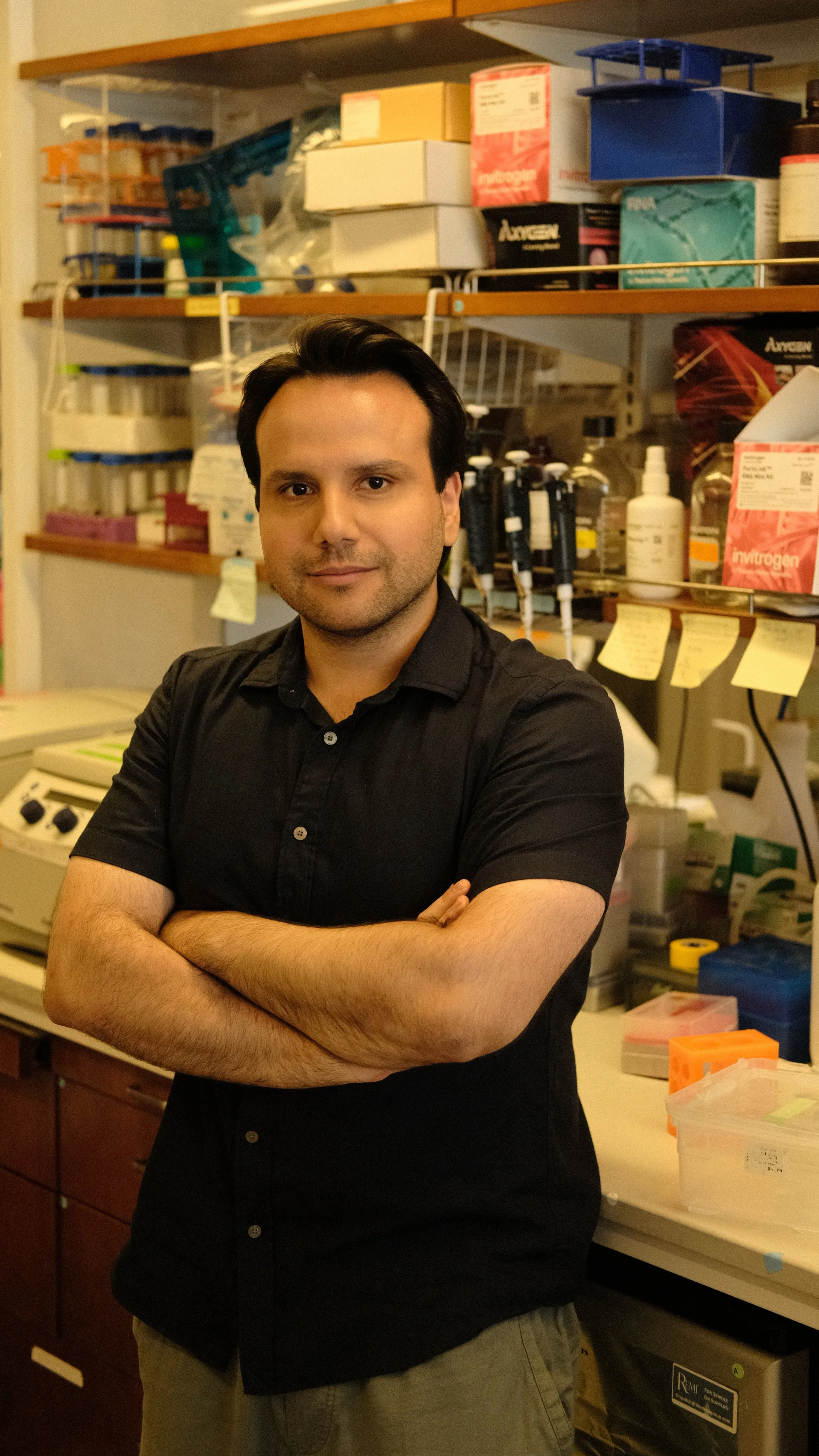
Nikos Koundouros, Ph.D.
Zhongchi Li, Ph.D.
Instructor
With comprehensive training in aging biology and physiology, Dr. Li is focused on understanding how age-related metabolic dysfunction contributes to cancer progression. In particular, his research explores how propionate metabolism influences both tumor cells and the tumor microenvironment, driving therapy resistance and metastasis. Dr. Li has been recognized for his work with the Glenn Foundation Postdoctoral Fellowship and a K99/R00 Career Development Award from the NIA.
Post-Doctoral Associate
Dr. Barragan’s research focuses on understanding and exploiting the connection between metabolism and DNA stability in cancer. He is developing a novel therapeutic strategy that uses high doses of vitamins to selectively eliminate cancer cells by generating metabolic genotoxins. Additionally, Guillermo is investigating how vitamin deficiencies contribute to cancer development. In 2024, he was awarded the Idea Development Award from the Department of Defense Lung Cancer Research Program and an R03 grant from the National Cancer Institute to support his work.
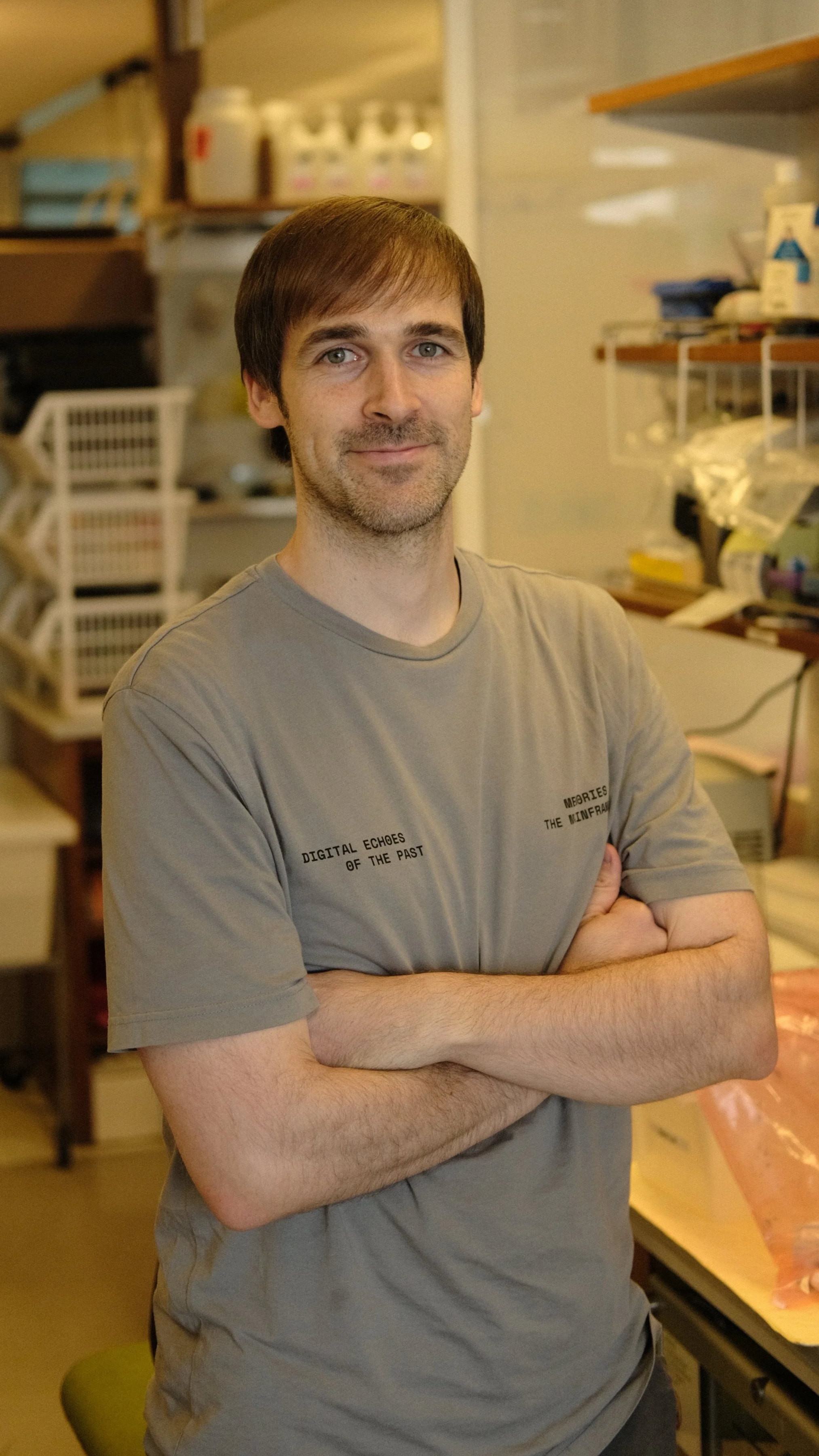
Guillermo Burgos Barragan, Ph.D.
Post-Doctoral Associate
Dr. Cecil's research focuses on the fundamental processes regulating cell growth through mitogenic signaling, specifically via the mTORC1 pathway. In particular, his project seeks to explore new roles for kinase signaling in the process of ribosome biogenesis.
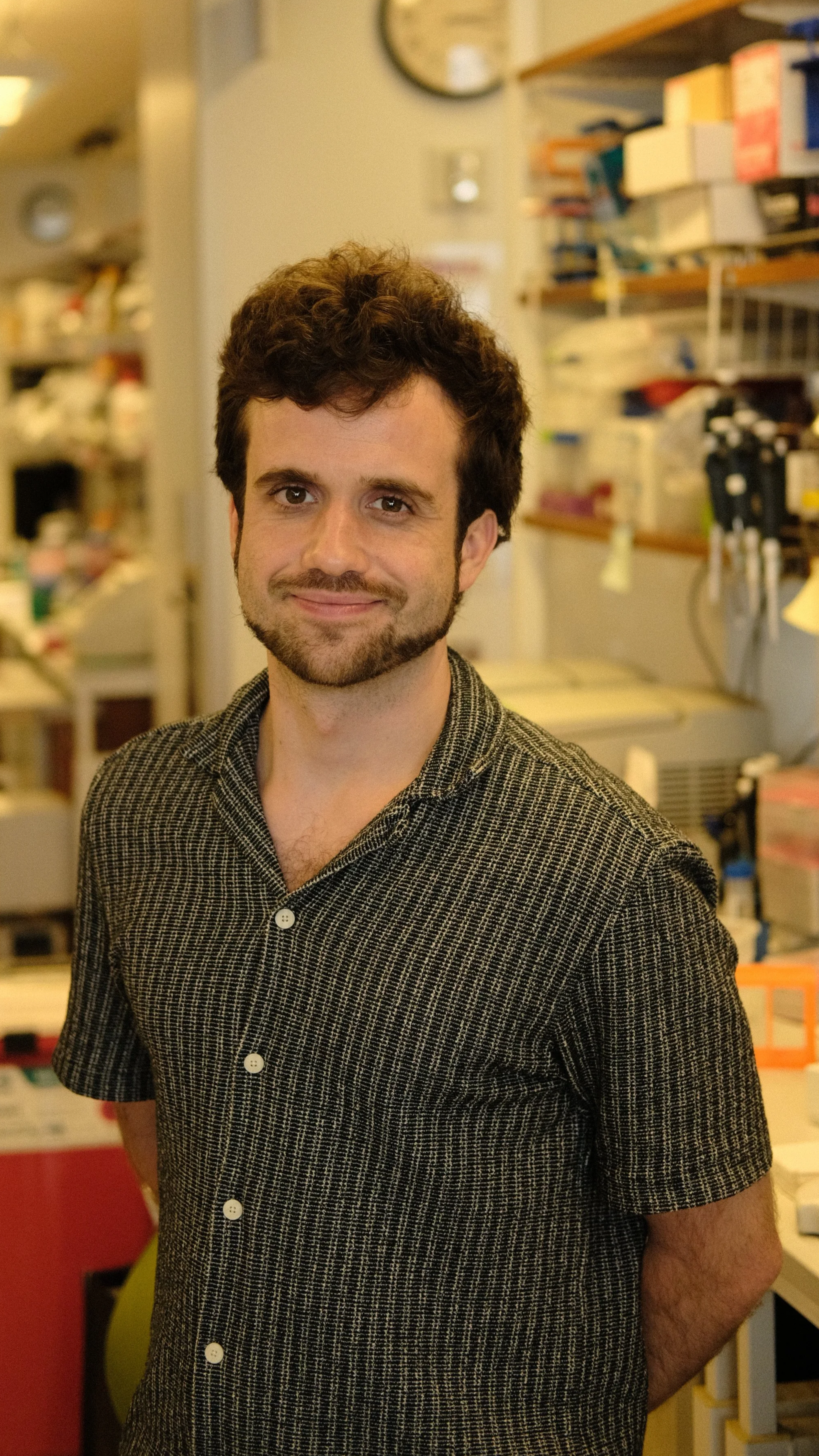
Jacob Cecil, Ph.D.
Michal Nagiec, Ph.D.
Assistant Professor
Dr. Nagiec is a cell biologist with training in pharmacology that is interested in the fundamental questions of how cells process information and produce appropriate responses. He is particularly interested in how metastatic cancer cells balance proliferation with the ability to migrate and how these cells adapt to stresses associated with tumor spread. The goal of his research is to identify and exploit vulnerabilities in processes unique to metastatic cells for therapeutic benefit.
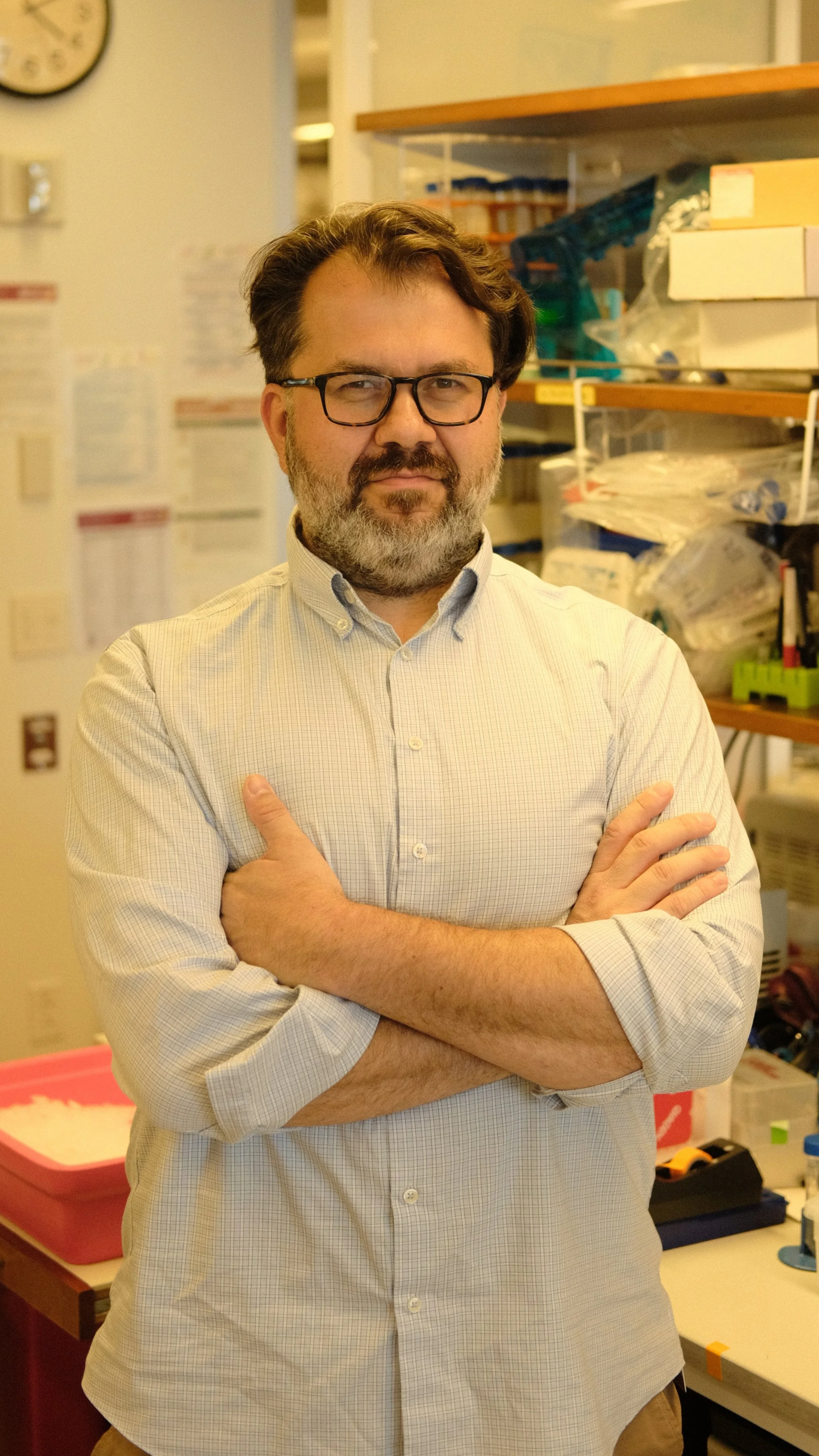
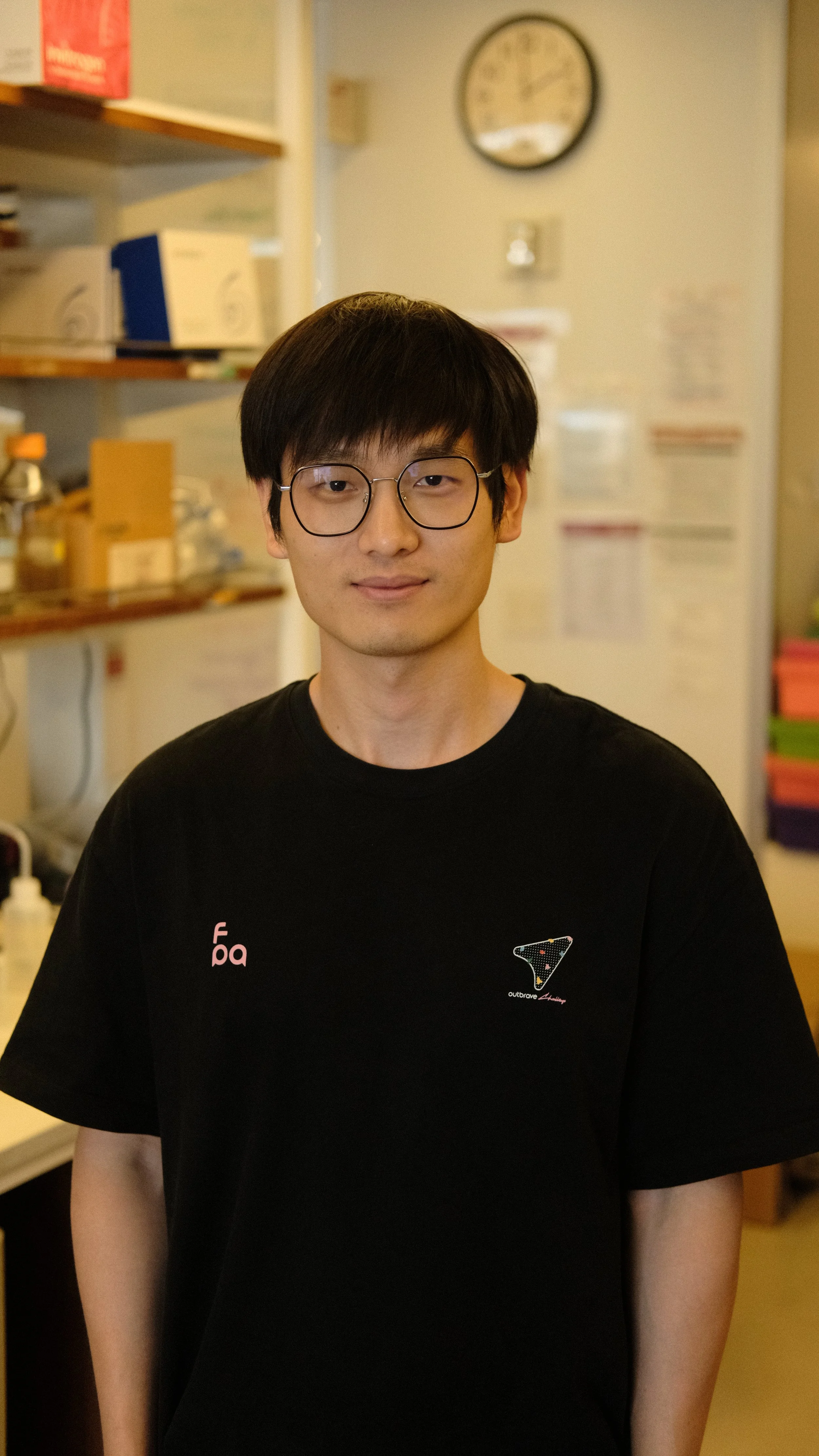
Graduate Students
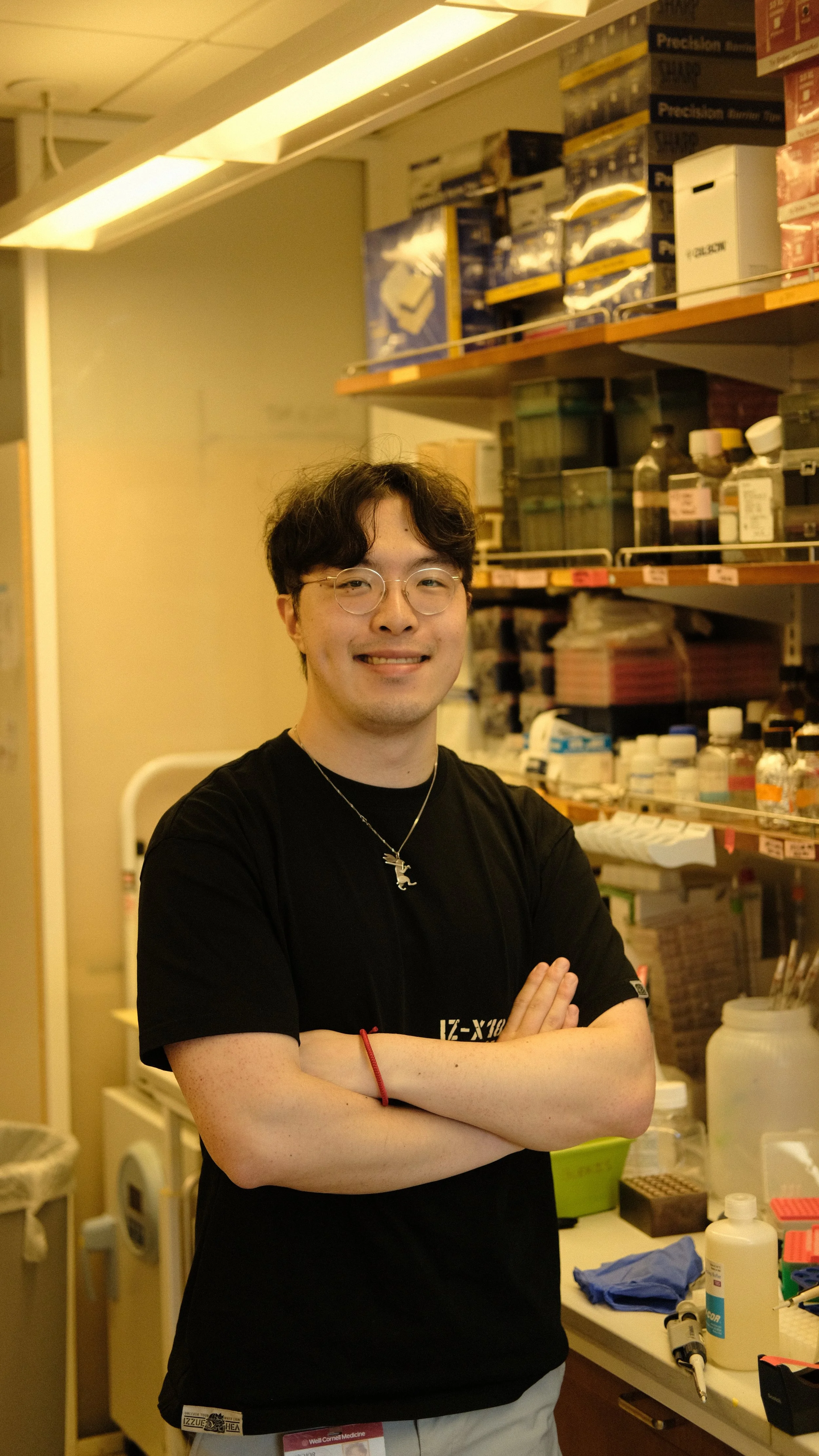
Trevor Wong
Ph.D. Student in Pharmacology
M. Ed., PMP
Ph.D. Student in Pharmacology
Moniquetta works to understand how cancer cells alter metabolic pathways to enable metastatic progression. Specifically, she is working on understanding how abnormal accumulation of propionate metabolism intermediates may support cancer cell ability to activate cell migration and chemoresistance.
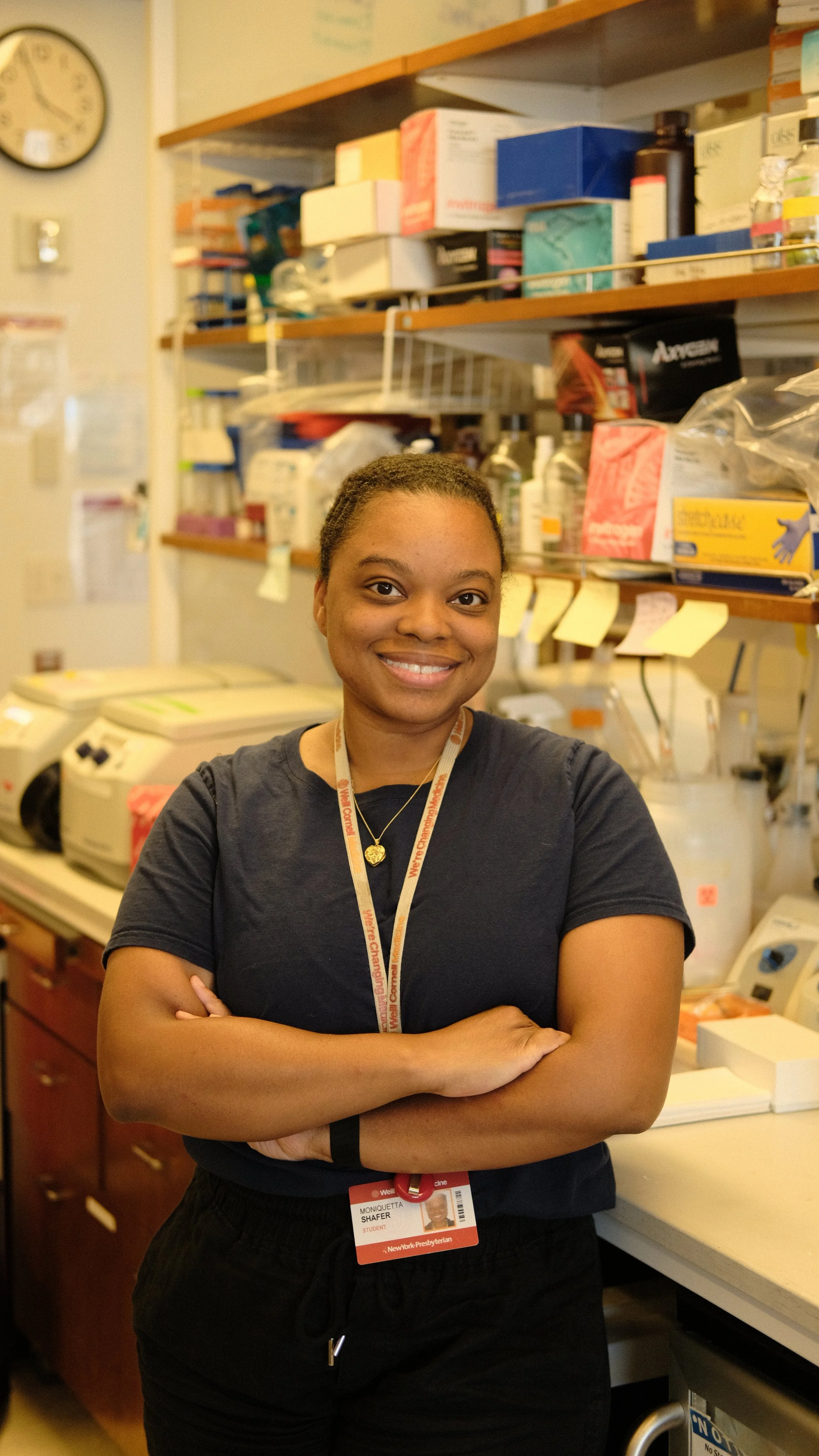
Moniquetta Shafer
Research Technicians & Staff
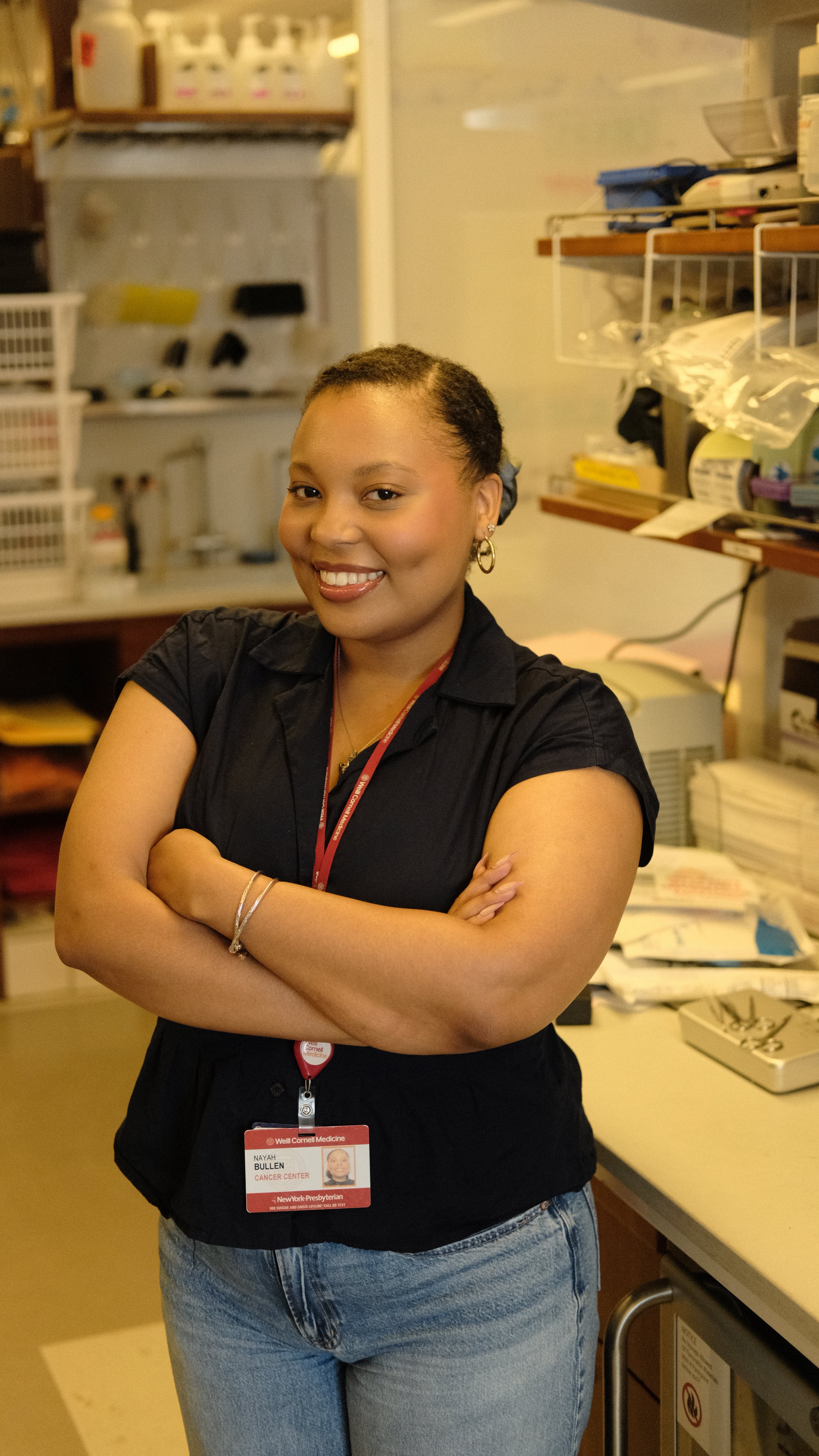
Nayah Bullen
Research Technician II
Lai Wa Chu
Research Technician I